


Lake Ecology and Preservation

Lake Tanganyika is surrounded by steep mountains and underdeveloped coastal plains, making access difficult.  Its long history of isolation has led to unique, untold biological diversity, like the resplendent cichlid fish for which the lake is famous.  There are 2,100 species of algae, aquatic plants, fish, birds, reptiles, and mammals, including chimpanzee troops in Mahale National Park as well as in Jane Goodall’s reserve at Gombe Stream.  Over 600 of these species are native to and found only in Lake Tanganyika.

The ecological and environmental balance of the lake faces a serious threat as the population increases along the lakeshore, as well as from industrial activity based around Bujumbura and Kigoma.  These issues jeopardize the water quality and especially the health of the lake ecology and its exceptional and uncommon biodiversity.  Importantly, Lake Tanganyika fish account for a significant source of protein for the millions of inhabitants in the lake region. Were the lake to become polluted and these fish no longer suitable for consumption, a water and food crisis would ensue putting this already vulnerable population in further peril.

In addition to our goal of advancing the health and wellbeing of the people residing in lakeside communities, The Floating Health Clinic will seek to promote the health and stewardship of Lake Tanganyika itself.  Most importantly, The FHC will utilize Green technologies to achieve an operation that maximizes use of solar power, clean fuels and energy and waste management.  It is our goal to host biologists investigating water quality and the changing environmental features of the lake, as well as other scientists who have particular interests that would be served by field work in the Great Lakes Basin.  Through our continued presence on the lake and strong relationships with local government officials, we will serve as effective advocates for local stewardship of this valuable resource.

The Story of the Liemba
The strategic importance of the Lake Tanganyika basin cannot be overemphasized. Travel on the lake is the only possibility most villagers have to engage in any kind of economic activity or development; i.e. selling fish or produce in the few larger ports with active markets. Three of the four riparian countries made Foreign Policy’s 2009 Failed States Index, with the DRC closing in on the top of that list. Lack of municipal infrastructure, education, and economic opportunities conspire to cripple the region. Healthcare infrastructure is either nonexistent or nonfunctional along the major portion of the coasts. The lake provides access to the interior of Eastern Congo where people continue to die on a regular basis because of the post-war breakdown of basic sanitation and public health services, including vaccination programs as well as basic medical and surgical services.

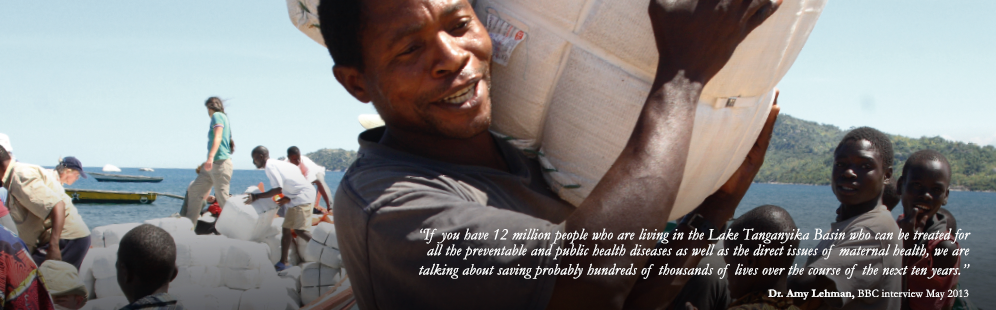
Presently, the ferry vessel Liemba serves as a lifeline for the Lake Tanganyika region. It is the only way most lakeside residents are able to travel up and down the lake towards larger ports – either to sell their wares, travel to other parts of the country, or very often, to seek a higher level of medical care, or any medical care at all. The vessel is currently also being used to repatriate refugees, which has disrupted her regular weekly schedule, and has thus forced villages to wait for sometimes indeterminate periods of time. The Liemba illustrates how valuable a hospital ship would be in delivering health care to the people of this region. Built in 1912 as a German warship, it continues to provide passenger and cargo service along the Tanzanian coast almost 100 years after assembly at the slipway in Kigoma.

Crew members receive basic training in childbirth, as so many women seeking obstetrical care aboard the ship actually end up delivering on its decks. Many sick persons have boarded the ship with the hope of reaching medical facilities in Kigoma or Mpulungu, only to die in transit. Countless others have foregone the long and expensive journey and thus have continued to suffer from highly treatable conditions, or died from their maladies in isolated villages.

While serving as a regional asset for years to come, the Floating Health Clinic will enable us to bring care to the communities that need it most.


Comments are closed.